When it comes to increasing the efficiency and performance of engines, the quality of fuel plays a significant role. Over time diesel fuel could become polluted by impurities like water, sediment, and microbial growth, which could adversely impact engine performance and trigger expensive repairs. Polishing your fuel is a fantastic way to ensure that engines operate smoothly and combat fuel contamination.
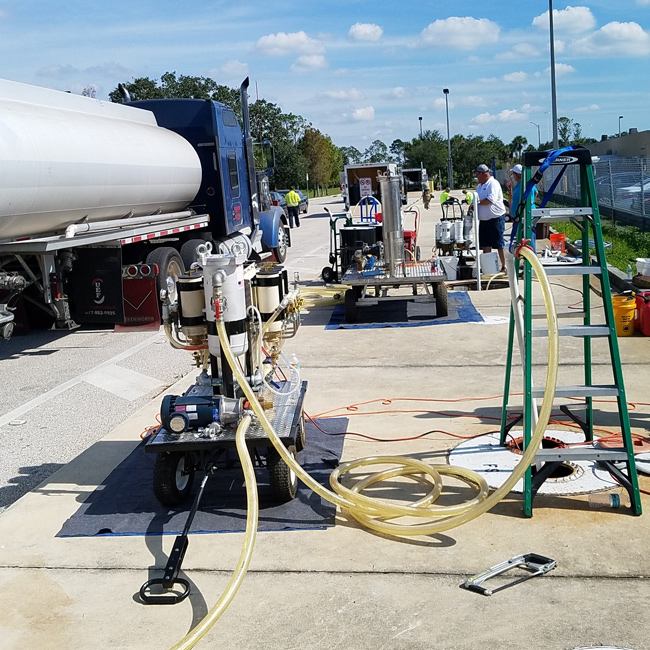
Polishing of fuel (also known as diesel polishing) is a method of eliminating contaminants from diesel fuel. The process of polishing fuel is that is performed by experts using the latest equipment and technologies to restore fuel to its original form. In addition to removing harmful substances, and restoring quality to fuel, polishing your fuel increases the efficiency of your engine and reduces the cost of maintenance and extends the life span of the equipment.
There are numerous polishing companies that can fulfill the requirements of various industries that utilize diesel fuel. The services employ highly trained technicians who are knowledgeable about fuel systems and are aware of the issues associated with contamination of fuel. Their extensive knowledge and special tools allow them to diagnose issues related to fuel and employ the right methods to polish fuel.
Fuel polishing’s primary goal is to get rid of contaminants such as sediment, water, or microbial contamination from diesel fuel. Water can build up in fuel tanks as a result of condensation or leakage, leading to corrosion, degradation of fuel and the growth of fungi and bacteria. Sediment and sludge, however, can result from impurities within the fuel or the degradation of components of the fuel as time passes. The contaminants can block filters and injectors as well as other essential components. This can result in a reduction in engine performance or even a failure.
Fuel polishing typically involves a multi-step process. It begins with fuel sampling and analysis to determine the level of contamination and decide on the best plan of action. The technicians then apply filters to eliminate the contaminants. They use various filtering technologies and media to efficiently eliminate contaminants from fuel.
Regular fuel polishing offers several key benefits. In the first place, it improves the quality of fuel, making sure that engines are supplied with the same and clean fuel for efficient combustion. Efficiency and performance of the fuel are increased, resulting in cost savings and lower emissions. In addition, polishing the fuel helps lower the likelihood of engine damage and failure because of the contamination of the fuel. The elimination of harmful substances aids in maintaining the integrity of engines, increasing their lifespan and decreasing repairs.
Regular diesel fuel polishing, also known as diesel polishing, provides numerous advantages for maintaining fuel quality. It aids in eliminating water sediment, microbial and water contaminants which can affect the performance of engines. The quality of fuel improves dramatically due to the removal of impurities through the polishing process used in diesel. It also improves combustion efficiency and reduces emissions. Regular polishing of the diesel engine also stops blocking of fuel filters as well as injections and other vital components. This decreases the risk of engine damage and costly repairs. Fuel polishing is also important to prolong the life of the fuel storage system and reduces the accumulations of sludge, corrosion, and other contaminants. Regular diesel fuel polishing has a variety of benefits, such as improved efficiency of the engine, lower costs, and increased reliability.
In addition, the services offered by fuel polishing can be tailored to meet the particular requirements of different industries and applications. The process of polishing fuel can be applied to a range of applications, ranging from ships and backup engines to construction equipment and transport fleets. Fuel polishing is essential for businesses that rely on an constant and reliable power supply. It’s also crucial when working in harsh or remote environments where the quality of the fuel is a risk.
In summary, polishing the fuel is a critical procedure that ensures the quality and cleanliness of diesel fuel. It boosts engine performance decreases maintenance costs and increases the life of the equipment by removing contaminants and impurities. By investing in professional polishing their fuel, companies can secure their operations, boost efficiency and decrease the danger that comes with contamination of the fuel. The process of polishing fuel will unlock the potential of diesel fuel which will allow you to move your business forward.