In today’s fast-paced business environment Communication is the backbone of an effective business. It is vital to ensure the productivity and enthusiasm of employees, regardless of whether employees are working remotely, on-site or even in hybrid models. This is where business communication software plays a critical role. The investment in internal communication software can cut down on confusion in the workplace and create an environment that encourages transparency, collaboration, inclusion and cooperation.
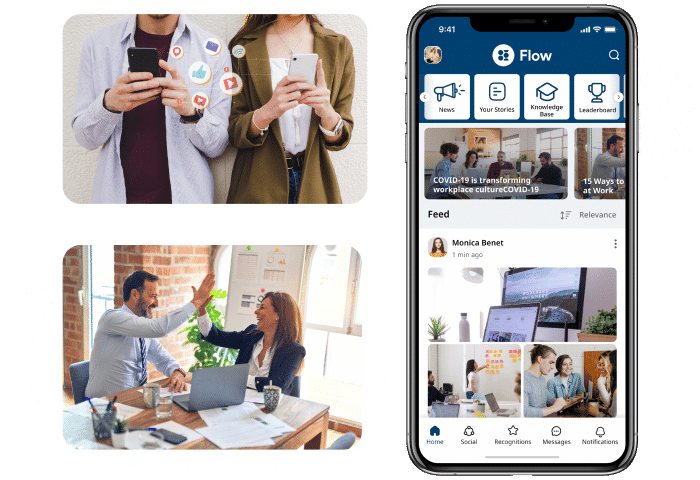
Image credit: hubengage.com
If you’re still using old email programs apps, chat programs that don’t work, or communication channels that are dispersed, it might be appropriate to consider modern technology for internal communications. These tools can help to improve your communication and help you align your workforce.
Why Businesses Need Advanced Internal Communication Tools
Bulletin boards and emails are no longer the primary methods of communication with employees. Today, businesses operate in a world that is characterized by instant communication, real-time collaboration and virtual workplaces. If they do not have the appropriate internal communication tools, companies are at risk of miscommunication as well as disengagement and decreased effectiveness.
1. Inspiring employees to be more motivated
In the modern workplace to keep employees happy and engaged is a significant issue. Software for internal communication that is well structured will ensure that every employee regardless of their location feel valued and respected. Features like:
Real-time announcements.
Interactive feedback polls.
Employee Recognition Programs
Platforms for mobile communication
The ability to help businesses create the feeling of belonging among their employees can result in higher productivity and job satisfaction.
2. Reduce workplace confusion and increase Clarity
When employees don’t receive clear communication, misunderstandings happen. This can lead to late deadlines, duplicated work, and frustration. Business communication software can help:
Centralized information sharing Employees have access to updates, documents and other resources from a single shared space.
Make use of task management and tools for managing projects to ensure that everyone understands the role they play and what they are doing.
Clearer workflows – Eliminates bottlenecks and ensures projects move without a hitch.
When organizations implement structured platforms for internal communication they observe that employees are more productive and confident.
3. Transparency and Culture in the Workplace
Communication and trust are key to a healthy company culture. When employees feel they are informed about the company’s objectives, changes and announcements they are more likely to stay active and in line with the company’s goals.
Modern communication tools come with features such as:
Leadership video messages Direct messages by managers to their employees.
Town halls and Q&A meetings to employees – promoting two-way communication.
Recognition and appreciation programs Rewarding employees for their efforts.
By encouraging honest and open communications, businesses can lower unemployment and build a committed workforce.
4. Supporting Remote & Hybrid Work Models
The traditional methods of communication are no longer adequate as companies increasingly adopt hybrid and remote working configurations. Teams need instant access to conversations or meetings, as well as files, no matter where they are working from.
Cloud-based software for communications allows:
Collaboration between time zones is effortless.
Document sharing made simple and co-editing in real time.
Virtual meetings can be arranged using video conferencing.
Apps that support mobile devices for messaging on the go.
Employers who use internal communications platforms that are designed specifically for remote teams have better collaboration and productivity compared to those still relying on outdated communication methods.
5. Enhancing Crisis Management & Business Continuity
Emergencies can occur anytime, whether it’s an issue with cybersecurity, disruption to markets, or a company restructuring. A robust business communication tool gives employees instant updates, safety instructions as well as other instructions in a crises.
Modern tools for internal communication provide:
Receive instant push notifications for important alerts
Automated message workflows can guide personnel through crises
Centralized knowledge bases and emergency protocols
A well-organized business can minimize disruptions, maintain productivity and keep employees informed in the situation of an unexpected event.
Internal Communication Software: The Future of
As technology advances with it, so do expectations for business communication software. AI-powered systems for internal communication give companies an advantage by automating repetitive tasks as well as analyzing employee engagement.
Some emerging trends are:
AI chatbots for immediate employee assistance.
The use of sentiment analysis in order to determine the level of morale at work.
Interactive dashboards with real-time communication analytics.
With the help of intuitive, efficient software to manage internal communications, businesses can create more cohesive teams and improve their overall effectiveness.
Conclusions on the Right Internal Communication Platform
If your business is suffering from poor communication with employees who are disengaged, or unconnected workflows perhaps it’s time to revamp your internal communication tools. A good business communications software doesn’t just help teams stay in touch, but it transforms the entire workplace to an in-between zone of collaboration, transparency and engagement.
For companies that wish to be competitive, retain the top employees, and foster a lively workplace culture, investing in the latest internal communication software has become a must.
Looking for the best internal communication platforms for your company? Consider exploring options that offer real-time messaging, mobile accessibility, leadership engagement, and centralized information sharing, since good communication can lead to great results.