Saturday morning is already busy. You’ve got errands to finish, family commitments later in the day, and a braiding appointment somewhere in between. You know the hairstyle you want, but have you considered how long the installation might take, what preparation is needed, or how the braids will fit into your routine afterward? A packed weekend can make even a much-anticipated hair appointment feel like a scheduling puzzle. When the weekend is already booked with family activities, the practical details of a braiding appointment deserve attention before you arrive.
Excitement about a hairstyle can push planning questions into the background. At WOW African Hair Braiding Bissonnet, customers can consider knotless styles, classic box braids, scalp braids, and children’s braiding. Comparing those choices ahead of time can make your visit smoother and help you select a result that fits your preferences. A clear understanding of the options can turn a confusing choice of styles into a more useful conversation. Instead of deciding solely from a picture, consider how the available options may affect styling flexibility. Two styles may both look neat and versatile while involving distinct maintenance routines. The choice between cornrows and free-hanging braids involves more than appearance alone. At WOW African Hair Braiding Bissonnet, asking about braid size and length before the appointment can help clarify expectations.
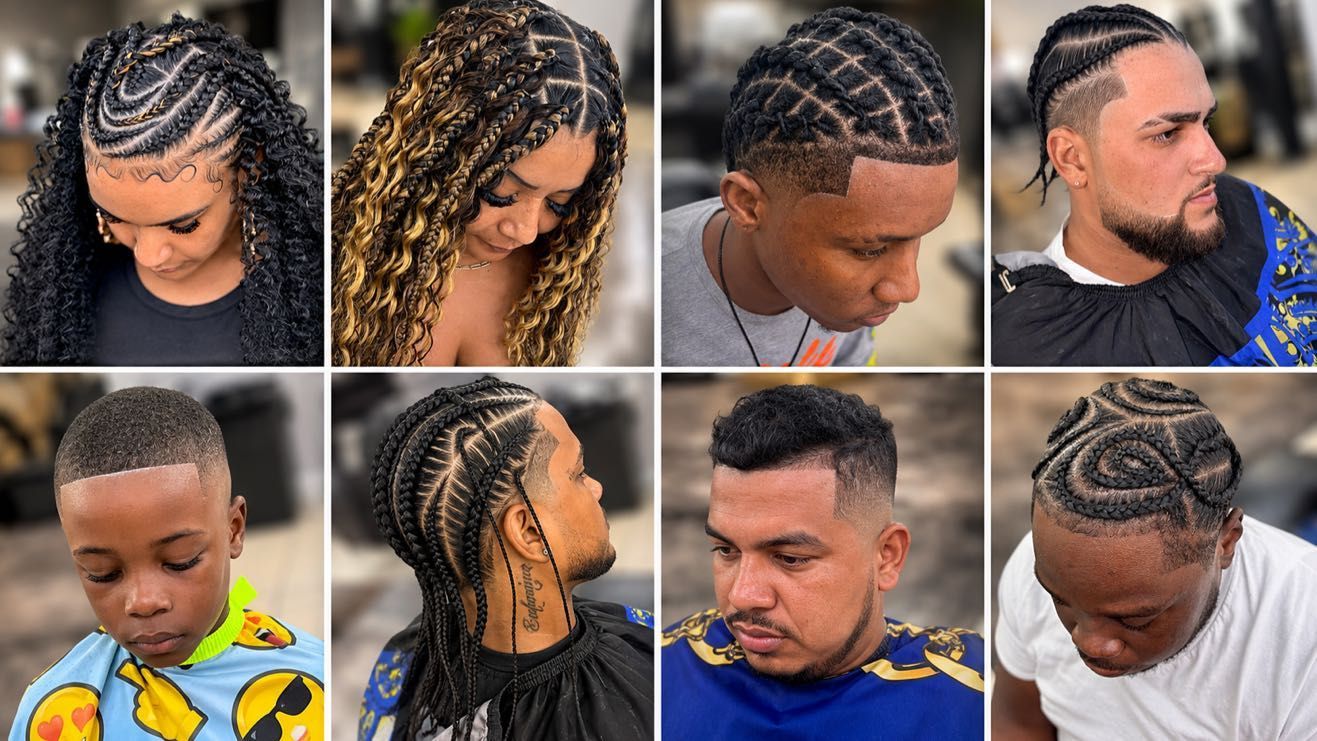
What to Do Before Sitting in the Braiding Chair
Before visiting the salon, narrow down the details that matter most. Your natural hair, intended braid length, and daily habits should guide the choice. A small collection of photographs showing thickness, part placement, and the final look can help communicate your expectations. Reference photos work best when they show more than the overall silhouette, including parting and thickness. When gathering inspiration, pay attention to the spacing between braids instead of focusing just on the overall impression. Your natural hair’s texture and strength should be part of the decision, not an unspoken detail. A hairstyle that works for one person may need adjustments in weight to suit someone else’s hair. Even a brief discussion about washing and detangling can help make the appointment more organized.
Be specific about size. Smaller braids usually involve more individual sections, which can increase time needed for installation and takedown. Medium-sized braids offer a middle ground, whereas large braids create a stronger visual statement with fewer individual pieces. Smaller sections can create a more intricate overall look, but that detail usually involves more sectioning work. The more individual braids a style requires, the more careful sectioning may be needed. Medium sizes can be a useful balance for people who want styling options without choosing a particularly fine braid pattern. The appeal of a medium-sized style often lies in its recognizable braid definition, rather than a highly intricate pattern. Large braids may look striking and well-defined, yet their suitability still depends on the desired length and tension.
A knotless braiding salon in Bissonnet can help you compare these options, but size alone doesn’t determine comfort or the finished appearance. Extension weight, braid length, scalp sensitivity, and usual styling choices also matter. Two people requesting the same braid size may experience different maintenance needs because their scalps and routines differ. Even when the requested size is clear, details such as extension weight can change which option is comfortable. If you regularly tie your hair into updos for work, mention that habit because repeated pulling can affect your hairline. Everyday habits, including exercise routines, can influence whether a proposed style feels comfortable over time. The useful question is not only whether the style matches a picture, but also how you plan to wear it.
Understanding the Differences Among Popular Braids
These techniques produce different results. Classic box braids feature distinct individual sections, while knotless braided looks incorporate extension hair differently to create a more gradual look at the roots. Cornrow styles are braided close to the scalp and can form straightforward rows or intricate patterns. Traditional box braids are often recognized by individual braids formed from defined parts, while knotless styles use a distinct installation method. The difference between traditional box braids and knotless braids is not only a matter of photographs; it includes the transition near the roots.
When comparing box braiding services in Bissonnet, your preferred styling options and available maintenance time should be part of the decision. For example, a person who changes hairstyles frequently may value the ability to wear braids in several ways. If you like to switch between different everyday looks, discuss whether the selected style offers the flexibility you want.
Consider how you will actually wear the braids. Frequent buns and ponytails can create different requirements than leaving them down. A suitable style should reflect your own hair and routine, not simply the most popular look online. A customer who leaves braids loose may prioritize the way they fall, while someone who ties them up often may focus on weight and flexibility. For people who regularly wear buns or ponytails, the relationship between braid weight and scalp tension deserves attention.
Protecting Your Hairline During Braiding
People frequently call braids protective, yet that benefit depends on gentle installation and responsible ongoing care. The word protective describes how hair is managed, not a guarantee that maintenance can be ignored. Braiding can reduce some daily manipulation, but that does not mean scalp discomfort should be accepted.
Excessive pulling can irritate the scalp and contribute to hair damage or traction-related hair loss. Speak up as soon as installation becomes painful; discomfort is not something you should endure for a neat finish. Tell the stylist immediately if the braids hurt, and be cautious about tightly gathering fresh braids into updos. Traction alopecia is associated with hairstyles that place sustained strain on follicles, which is why comfortable installation matters. Repeated strain on the hair can contribute to traction-related hair loss, making it important to avoid excessive tension. Freshly installed braids can be placed under more strain when repeatedly gathered into high updos. The way you wear your braids afterward can affect hairline comfort. Tell the stylist about earlier experiences with tight styles before the work begins, and ask questions if something hurts.
Children and customers with delicate hairlines may need particular attention to braid size, weight, and tension. Choosing a hairstyle that looks good should never mean ignoring discomfort. Children may be less able to explain whether the roots are pulling, so caregivers should pay attention to the weight and tightness of the braids. A delicate hairline can make tension and styling habits especially important. Adjusting the size, length, or amount of added hair can help align the style with the wearer’s comfort. There is no reason to prioritize a highly intricate pattern over healthy hair practices. If discomfort appears, the response should be to reassess the tension, not to dismiss it as normal.
Choosing a Braiding Salon for Different Ages and Styles
Proximity is only one factor when you look up African braiders near me. Consider whether the salon explains options clearly and offers styles appropriate for your family. In Southwest Houston’s Bissonnet area, WOW African Hair Braiding provides traditional and contemporary braiding for women, men, and children. A convenient location can make scheduling easier, but it does not replace a clear discussion of services. Finding a nearby salon is only the first step; the next is confirming whether the salon serves your needs.
A few questions before the visit can prevent last-minute surprises. These conversations help avoid misunderstandings and give the stylist a clearer idea of your expectations. A reference image may show the visual result you admire, but it does not communicate your budget. Clear descriptions help avoid confusion about size and length. Ask whether the appointment requires particular extension hair so you can arrive with realistic expectations. Knowing the practical requirements in advance helps prevent unexpected changes once you reach the salon. Even a short conversation can reduce misunderstandings about what you need to bring.
Keeping Your Braids Looking Their Best
The care you provide at home affects how your braids wear. Protect your hair while sleeping with a satin hair covering, keep your scalp clean without excessive product buildup, and allow washed braids to become fully dry. Nighttime protection can reduce unnecessary friction, although it does not eliminate the need for attention to cleanliness. A satin scarf or bonnet may help keep braids protected from friction, especially when paired with appropriate aftercare. Too much product can contribute to difficulty keeping the roots clean, so choose a routine that fits your hair’s needs. When cleansing braids, take care to rinse appropriately afterward. A simple aftercare plan should include adequate drying without turning the hairstyle into a complicated set of chores.
Avoid leaving braids installed indefinitely, particularly if you notice tangling, breakage, or persistent scalp discomfort. A style’s lifespan should be guided by how the braids are holding up, not simply how long you want to keep it. Braids should not remain in place without regard for changes in the condition of your hair.
The best braids should work with your routine instead of creating new frustrations. Plan your Bissonnet appointment carefully, follow suitable aftercare, and choose a finished style that feels as good as it looks.
A good result should still feel appropriate for family activities after the excitement of the appointment has passed. The real test of a hairstyle is not only how it looks in the salon mirror, but also how it suits your daily routine. Preparation, a clear discussion of expectations, and gentle aftercare all contribute to a more practical hairstyle. Making room for questions before the appointment can help you leave with a clearer care plan. Beautiful braids are most rewarding when the style suits your hair’s needs rather than struggling to maintain the look.